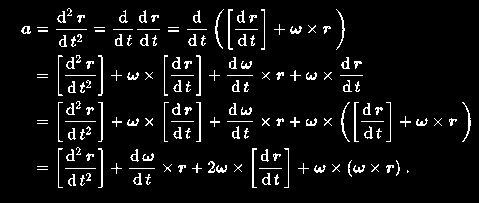
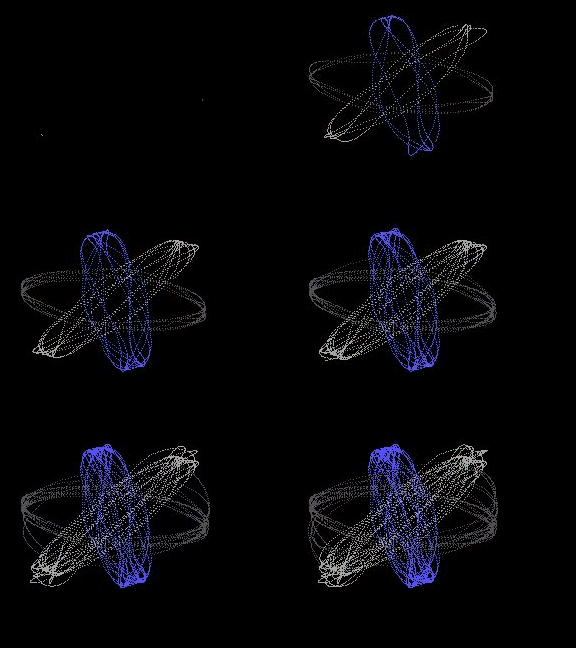
 ). The
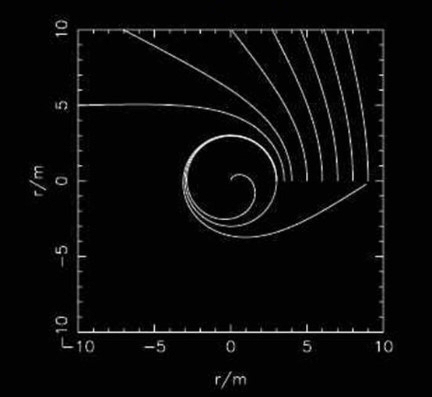
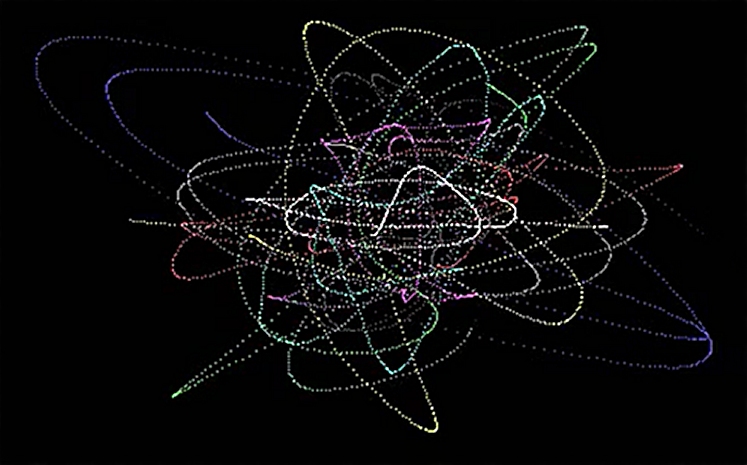

Borland C Program Newton:
| 0 | // (C) 1996 G.J. Smit, Nijmegen, Nederland |
|---|---|
| 1 | // This software is published under the GNU General Public License v3.0 |
| 2 | // www.dbphysics.com |
| 3 | // The program 'Newton' is a n-body model where simultaneously for the positions of multiple dimensional basics (theoretical infinite curvature) moving through space time interact with each other according to newtonian laws. |
| 4 | |
| 5 | #include |
| 6 | #include |
| 7 | #include |
| 8 | #include |
| 9 | #include |
| 10 | #include |
| 11 | #include |
| 12 | |
| 13 | FILE *bestand; // Pointer voor geopend bestand. |
| 14 | char b_naam[12]; // Naam van actief bestand. |
| 15 | char b_test; // Controle voor bestaan bestand. |
| 16 | char toets; // Variabele voor ingedrukte toets. |
| 17 | int t1,t2,t3,t4; // Tellers voor lussen. |
| 18 | int stap,dim,deel; // Aantal stappen, dimensies en deeltjes. |
| 19 | int spoor; // Lengte afbeelding in tijd per deeltje. |
| 20 | int prog; // Programma einde. |
| 21 | int i_temp; // Tijdelijk opslag integer. |
| 22 | int midd; // Middelpunt in tekening aan/uit. |
| 23 | int modus; // Kleur per deel/diepte. |
| 24 | float w_g, w_x, w_y; // Windowgrootte, x en y co�rdinaatgrootte. |
| 25 | float x_max, y_max; // Aantal pixels op beeldscherm. |
| 26 | float t_frag, grens; // Tijdfragmentatie en grenswaarde ruimte. |
| 27 | float r_o, r_n; // Bereik willekeurige beginco�rdinaten. |
| 28 | float fzx, fzy, fzz; // Zwaartekracht per as. |
| 29 | float g_temp; // Grenswaarde wisseling. |
| 30 | float f_temp; // Tijdelijk opslag float. |
| 31 | float midx, midy; // Middelpunt berekening-variabelen. |
| 32 | float diepte; // Kleur-diepte variabele. |
| 33 | float huge x3[251][4]; // Maximaal 250 x3d-co�rdinaten. |
| 34 | float huge y3[251][4]; // Maximaal 250 y3d-co�rdinaten. |
| 35 | float huge z3[251][4]; // Maximaal 250 z3d-co�rdinaten. |
| 36 | float huge x2[251][30]; // Maximaal 30 x2d-co�rdinaten per deeltje. |
| 37 | float huge y2[251][30]; // Maximaal 30 y2d-co�rdinaten per deeltje. |
| 38 | |
| 39 | void theorie(void) // Rekenkundig variabele verhoudingen. |
| 40 | { detectgraph(&t1, &t2); |
| 41 | initgraph(&t1, &t2, "..\\bgi"); |
| 42 | setcolor(7); |
| 43 | for(t1=0; t1<20; t1++) |
| 44 | { line(x_max/2+200-t1*10, y_max/2, x_max/2, y_max/2+t1*10); |
| 45 | line(x_max/2-t1*10, y_max/2, x_max/2, y_max/2+200-t1*10); |
| 46 | line(x_max/2-200+t1*10, y_max/2, x_max/2, y_max/2-t1*10); |
| 47 | line(x_max/2+t1*10, y_max/2, x_max/2, y_max/2-200+t1*10); |
| 48 | } |
| 49 | getch(); |
| 50 | closegraph(); |
| 51 | } |
| 52 | |
| 53 | void varbestand(void) // Variabele waarden bestand inlezen. |
| 54 | { bestand=fopen(b_naam,"r"); |
| 55 | if(bestand==NULL) b_test=0; |
| 56 | else |
| 57 | { fscanf(bestand, "%d%d%f%f%f%f", &stap, &deel, &r_o, &r_n, &t_frag, &grens); |
| 58 | if(grens!=0) w_g=1.5*grens; |
| 59 | b_test=1; |
| 60 | } |
| 61 | fclose(bestand); |
| 62 | } |
| 63 | |
| 64 | void menuopbeeld(void) |
| 65 | { clrscr(); |
| 66 | textcolor(10); |
| 67 | printf("[b]estandsnaam "); |
| 68 | if(b_test==0) printf("-"); else printf("+"); |
| 69 | printf(" : %s\n\n", b_naam); |
| 70 | printf("[c]o�rdinaten\n"); |
| 71 | printf("[w]illekeur : %f\n", r_o); |
| 72 | printf("[r]ichting : %f\n\n", r_n); |
| 73 | printf("[t]ijdfragmentatie : %f\n", t_frag); |
| 74 | printf("[g]rens : %f\n\n", grens); |
| 75 | printf("[s]tappen : %d\n", stap); |
| 76 | printf("[d]eel : %d\n\n", deel); |
| 77 | printf("[v]enster : %f\n", w_g); |
| 78 | printf("[p]rojectie : %d\n", spoor); |
| 79 | printf("[m]iddelpunt : "); |
| 80 | if(midd==0) printf("uit\n"); else printf("aan\n"); |
| 81 | printf("[k]leurmodus : "); |
| 82 | if(modus==0) printf("deel\n\n\n"); else printf("diepte\n\n\n"); |
| 83 | printf("[R]ekenen [E]n [T]ekenen [S]toppen\n\n"); |
| 84 | } |
| 85 | |
| 86 | void menuvraag(void) |
| 87 | { toets=getch(); |
| 88 | if(toets==98) { printf("Nieuwe bestandsnaam? "); |
| 89 | scanf("%s", &b_naam); } |
| 90 | if(toets==99) { printf("Invoer co�rdinaten, nog programmeren..."); |
| 91 | getch(); } |
| 92 | if(toets==119) { f_temp=r_o; printf("Maximale willekeur? "); |
| 93 | scanf("%f", &r_o); |
| 94 | if(r_o<0||r_o==0||r_o>30000) r_o=f_temp; } |
| 95 | if(toets==114) { f_temp=r_n; printf("Maximale richting? "); |
| 96 | scanf("%f", &r_n); |
| 97 | if(r_n<0||r_o==0||r_o>2500) r_o=f_temp; } |
| 98 | if(toets==116) { f_temp=t_frag; printf("Nieuwe tijdfragmentatie? "); |
| 99 | scanf("%f", &t_frag); |
| 100 | if(t_frag<0||t_frag==0||t_frag>1) t_frag=f_temp; } |
| 101 | if(toets==103) { f_temp=grens; printf("Grens van ruimte? "); |
| 102 | scanf("%f", &grens); |
| 103 | if(grens<0||grens>32500) grens=f_temp; } |
| 104 | if(toets==115) { i_temp=stap; printf("Aantal stappen? "); |
| 105 | scanf("%d", &stap); |
| 106 | if(stap<1||stap>32500) stap=i_temp; } |
| 107 | if(toets==100) { i_temp=deel; printf("Aantal deeltjes? "); |
| 108 | scanf("%d", &deel); |
| 109 | if(deel<2||deel>250) deel=i_temp; } |
| 110 | if(toets==118) { f_temp=w_g; printf("Venstergrootte? "); |
| 111 | scanf("%f", &w_g); |
| 112 | if(w_g<0||w_g==0||w_g>32500) w_g=f_temp; } |
| 113 | if(toets==112) { i_temp=spoor; printf("Aantal fragmenten? "); |
| 114 | scanf("%d", &spoor); |
| 115 | if(spoor<0||spoor>30) spoor=i_temp; } |
| 116 | if(toets==109) { if(midd==0) midd=1; else midd=0; } |
| 117 | if(toets==107) { if(modus==0) modus=1; else modus=0; } |
| 118 | } |
| 119 | |
| 120 | void willekeur(void) |
| 121 | { for(t1=0;t1 |
| 122 | { x3[t1][0]=2*(random(32767)*r_o/32767)-r_o; |
| 123 | y3[t1][0]=2*(random(32767)*r_o/32767)-r_o; |
| 124 | z3[t1][0]=2*(random(32767)*r_o/32767)-r_o; |
| 125 | x3[t1][1]=x3[t1][0]+2*(random(32767)*r_n/32767)-r_n; |
| 126 | y3[t1][1]=y3[t1][0]+2*(random(32767)*r_n/32767)-r_n; |
| 127 | z3[t1][1]=z3[t1][0]+2*(random(32767)*r_n/32767)-r_n; |
| 128 | } |
| 129 | } |
| 130 | |
| 131 | void reken(void) // Kaal [R]ekenen, snelste routine. |
| 132 | { // Bestand voor co�rdinaten openen. |
| 133 | bestand=fopen(b_naam,"w"); |
| 134 | fprintf(bestand, "%d %d %f %f %f %f", stap, deel, r_o, r_n, t_frag, grens); |
| 135 | for(t1=0;t1 |
| 136 | fprintf(bestand, " %f %f %f", x3[t1][1], y3[t1][1], z3[t1][1]); |
| 137 | |
| 138 | // Co�rdinaten berekenen, schrijven naar disk en naar tekst-beeldscherm. |
| 139 | for(t1=0;t1 |
| 140 | { for(t2=0;t2 |
| 141 | { x3[t2][3]=0; |
| 142 | y3[t2][3]=0; |
| 143 | z3[t2][3]=0; |
| 144 | } |
| 145 | for(t2=0;t2 |
| 146 | { x3[t2][2]=x3[t2][1]-x3[t2][0]; |
| 147 | y3[t2][2]=y3[t2][1]-y3[t2][0]; |
| 148 | z3[t2][2]=z3[t2][1]-z3[t2][0]; |
| 149 | for(t3=t2;t3 |
| 150 | { fzx=x3[t3][1]-x3[t2][1]; |
| 151 | fzy=y3[t3][1]-y3[t2][1]; |
| 152 | fzz=z3[t3][1]-z3[t2][1]; |
| 153 | if(fzx!=0) { fzx=1/fzx; x3[t2][3]=x3[t2][3]+fzx; |
| 154 | x3[t3][3]=x3[t3][3]-fzx; } |
| 155 | if(fzy!=0) { fzy=1/fzy; y3[t2][3]=y3[t2][3]+fzy; |
| 156 | y3[t3][3]=y3[t3][3]-fzy; } |
| 157 | if(fzz!=0) { fzz=1/fzz; z3[t2][3]=z3[t2][3]+fzz; |
| 158 | z3[t3][3]=z3[t3][3]-fzz; } |
| 159 | } |
| 160 | x3[t2][0]=x3[t2][1]; |
| 161 | y3[t2][0]=y3[t2][1]; |
| 162 | z3[t2][0]=z3[t2][1]; |
| 163 | x3[t2][1]=x3[t2][0]+x3[t2][2]+x3[t2][3]; |
| 164 | y3[t2][1]=y3[t2][0]+y3[t2][2]+y3[t2][3]; |
| 165 | z3[t2][1]=z3[t2][0]+z3[t2][2]+z3[t2][3]; |
| 166 | } |
| 167 | for(t2=0;t2 |
| 168 | fprintf(bestand, " %f %f %f", x3[t2][1], y3[t2][1], z3[t2][1]); |
| 169 | putchar(13); printf("%d",t1+1); |
| 170 | } |
| 171 | fclose(bestand); |
| 172 | b_test=1; |
| 173 | } |
| 174 | |
| 175 | void rekenmetopties(void) // [R]ekenen met grens en/of t_frag aan. |
| 176 | { // Bestand voor co�rdinaten openen. |
| 177 | bestand=fopen(b_naam,"w"); |
| 178 | fprintf(bestand, "%d %d %f %f %f %f", stap, deel, r_o, r_n, t_frag, grens); |
| 179 | for(t1=0;t1 |
| 180 | fprintf(bestand, " %f %f %f", x3[t1][1], y3[t1][1], z3[t1][1]); |
| 181 | |
| 182 | // Co�rdinaten berekenen, schrijven naar disk en naar tekst-beeldscherm. |
| 183 | for(t1=0;t1 |
| 184 | { for(t2=0;t2 |
| 185 | { x3[t2][3]=0; |
| 186 | y3[t2][3]=0; |
| 187 | z3[t2][3]=0; |
| 188 | } |
| 189 | for(t2=0;t2 |
| 190 | { x3[t2][2]=x3[t2][1]-x3[t2][0]; |
| 191 | y3[t2][2]=y3[t2][1]-y3[t2][0]; |
| 192 | z3[t2][2]=z3[t2][1]-z3[t2][0]; |
| 193 | for(t3=t2;t3 |
| 194 | { fzx=x3[t3][1]-x3[t2][1]; |
| 195 | fzy=y3[t3][1]-y3[t2][1]; |
| 196 | fzz=z3[t3][1]-z3[t2][1]; |
| 197 | if(fzx!=0) { fzx=1/fzx; x3[t2][3]=x3[t2][3]+fzx; |
| 198 | x3[t3][3]=x3[t3][3]-fzx; } |
| 199 | if(fzy!=0) { fzy=1/fzy; y3[t2][3]=y3[t2][3]+fzy; |
| 200 | y3[t3][3]=y3[t3][3]-fzy; } |
| 201 | if(fzz!=0) { fzz=1/fzz; z3[t2][3]=z3[t2][3]+fzz; |
| 202 | z3[t3][3]=z3[t3][3]-fzz; } |
| 203 | } |
| 204 | // Bewerk co�rdinaten als t_frag ongelijk aan 1. |
| 205 | if(t_frag!=1) |
| 206 | { x3[t2][2]=x3[t2][2]*t_frag; x3[t2][3]=x3[t2][3]*t_frag; |
| 207 | y3[t2][2]=y3[t2][2]*t_frag; y3[t2][3]=y3[t2][3]*t_frag; |
| 208 | z3[t2][2]=z3[t2][2]*t_frag; z3[t2][3]=z3[t2][3]*t_frag; |
| 209 | } |
| 210 | // Bepaal de nieuwe co�rdinaten. |
| 211 | x3[t2][0]=x3[t2][1]; |
| 212 | y3[t2][0]=y3[t2][1]; |
| 213 | z3[t2][0]=z3[t2][1]; |
| 214 | x3[t2][1]=x3[t2][0]+x3[t2][2]+x3[t2][3]; |
| 215 | y3[t2][1]=y3[t2][0]+y3[t2][2]+y3[t2][3]; |
| 216 | z3[t2][1]=z3[t2][0]+z3[t2][2]+z3[t2][3]; |
| 217 | // Test grensoverschrijding. |
| 218 | if(grens>0) |
| 219 | { if(x3[t2][1]<-grens||x3[t2][1]>grens) |
| 220 | { g_temp=x3[t2][1]; x3[t2][1]=-x3[t2][0]; x3[t2][0]=-g_temp; } |
| 221 | if(y3[t2][1]<-grens||y3[t2][1]>grens) |
| 222 | { g_temp=y3[t2][1]; y3[t2][1]=-y3[t2][0]; y3[t2][0]=-g_temp; } |
| 223 | if(z3[t2][1]<-grens||z3[t2][1]>grens) |
| 224 | { g_temp=z3[t2][1]; z3[t2][1]=-z3[t2][0]; z3[t2][0]=-g_temp; } |
| 225 | } |
| 226 | } |
| 227 | for(t2=0;t2 |
| 228 | fprintf(bestand, " %f %f %f", x3[t2][1], y3[t2][1], z3[t2][1]); |
| 229 | putchar(13); printf("%d",t1+1); |
| 230 | } |
| 231 | fclose(bestand); |
| 232 | b_test=1; |
| 233 | } |
| 234 | |
| 235 | void rekenenteken(void) // [E]n. |
| 236 | { detectgraph(&t1, &t2); |
| 237 | initgraph(&t1, &t2, "..\\bgi"); |
| 238 | w_x=(x_max+1)/(w_g*2); w_y=(y_max+1)/(w_g*2); |
| 239 | printf(" |%d|%d|%f|%f|%f|%f|%f|%d|%s", |
| 240 | stap, deel, r_o, r_n, t_frag, grens, w_g, spoor, b_naam); |
| 241 | gotoxy(0,0); |
| 242 | midd=0; spoor=0; modus=0; |
| 243 | |
| 244 | // Bestand voor co�rdinaten openen. |
| 245 | bestand=fopen(b_naam,"w"); |
| 246 | fprintf(bestand, "%d %d %f %f %f %f", stap, deel, r_o, r_n, t_frag, grens); |
| 247 | for(t1=0;t1 |
| 248 | fprintf(bestand, " %f %f %f", x3[t1][1], y3[t1][1], z3[t1][1]); |
| 249 | |
| 250 | // Co�rdinaten berekenen, schrijven naar disk en naar grafisch beeldscherm. |
| 251 | for(t1=0;t1 |
| 252 | { for(t2=0;t2 |
| 253 | { x3[t2][3]=0; |
| 254 | y3[t2][3]=0; |
| 255 | z3[t2][3]=0; |
| 256 | } |
| 257 | for(t2=0;t2 |
| 258 | { x3[t2][2]=x3[t2][1]-x3[t2][0]; |
| 259 | y3[t2][2]=y3[t2][1]-y3[t2][0]; |
| 260 | z3[t2][2]=z3[t2][1]-z3[t2][0]; |
| 261 | for(t3=t2;t3 |
| 262 | { fzx=x3[t3][1]-x3[t2][1]; |
| 263 | fzy=y3[t3][1]-y3[t2][1]; |
| 264 | fzz=z3[t3][1]-z3[t2][1]; |
| 265 | if(fzx!=0) { fzx=1/fzx; x3[t2][3]=x3[t2][3]+fzx; |
| 266 | x3[t3][3]=x3[t3][3]-fzx; } |
| 267 | if(fzy!=0) { fzy=1/fzy; y3[t2][3]=y3[t2][3]+fzy; |
| 268 | y3[t3][3]=y3[t3][3]-fzy; } |
| 269 | if(fzz!=0) { fzz=1/fzz; z3[t2][3]=z3[t2][3]+fzz; |
| 270 | z3[t3][3]=z3[t3][3]-fzz; } |
| 271 | } |
| 272 | // Bewerk co�rdinaten als t_frag ongelijk aan 1. |
| 273 | if(t_frag!=1) |
| 274 | { x3[t2][2]=x3[t2][2]*t_frag; x3[t2][3]=x3[t2][3]*t_frag; |
| 275 | y3[t2][2]=y3[t2][2]*t_frag; y3[t2][3]=y3[t2][3]*t_frag; |
| 276 | z3[t2][2]=z3[t2][2]*t_frag; z3[t2][3]=z3[t2][3]*t_frag; |
| 277 | } |
| 278 | // Bepaal de nieuwe co�rdinaten. |
| 279 | x3[t2][0]=x3[t2][1]; |
| 280 | y3[t2][0]=y3[t2][1]; |
| 281 | z3[t2][0]=z3[t2][1]; |
| 282 | x3[t2][1]=x3[t2][0]+x3[t2][2]+x3[t2][3]; |
| 283 | y3[t2][1]=y3[t2][0]+y3[t2][2]+y3[t2][3]; |
| 284 | z3[t2][1]=z3[t2][0]+z3[t2][2]+z3[t2][3]; |
| 285 | // Test grensoverschrijding. |
| 286 | if(grens>0) |
| 287 | { if(x3[t2][1]<-grens||x3[t2][1]>grens) |
| 288 | { g_temp=x3[t2][1]; x3[t2][1]=-x3[t2][0]; x3[t2][0]=-g_temp; } |
| 289 | if(y3[t2][1]<-grens||y3[t2][1]>grens) |
| 290 | { g_temp=y3[t2][1]; y3[t2][1]=-y3[t2][0]; y3[t2][0]=-g_temp; } |
| 291 | if(z3[t2][1]<-grens||z3[t2][1]>grens) |
| 292 | { g_temp=z3[t2][1]; z3[t2][1]=-z3[t2][0]; z3[t2][0]=-g_temp; } |
| 293 | } |
| 294 | } |
| 295 | for(t2=0;t2 |
| 296 | fprintf(bestand, " %f %f %f", x3[t2][1], y3[t2][1], z3[t2][1]); |
| 297 | for(t2=0;t2 |
| 298 | { x2[t2][0]=y3[t2][1]-.5*x3[t2][1]; |
| 299 | y2[t2][0]=z3[t2][1]+.5*x3[t2][1]; |
| 300 | x2[t2][0]=x_max/2-w_x*x2[t2][0]; |
| 301 | y2[t2][0]=y_max/2-w_y*y2[t2][0]; |
| 302 | putpixel(x2[t2][0],y2[t2][0],2+t2); |
| 303 | } |
| 304 | putchar(13); printf("%d",t1+1); |
| 305 | } |
| 306 | putchar(13); printf("Klaar"); |
| 307 | fclose(bestand); |
| 308 | b_test=1; |
| 309 | getch(); |
| 310 | closegraph(); |
| 311 | } |
| 312 | |
| 313 | void geendisk(void) // [A]lleen rekenen en tekenen. |
| 314 | { detectgraph(&t1, &t2); |
| 315 | initgraph(&t1, &t2, "..\\bgi"); |
| 316 | w_x=(x_max+1)/(w_g*2); w_y=(y_max+1)/(w_g*2); |
| 317 | if(modus!=0) diepte=255/(w_g*2); |
| 318 | |
| 319 | printf(" |%d|%d|%f|%f|%f|%f|%f|%d|XXXXXX", |
| 320 | stap, deel, r_o, r_n, t_frag, grens, w_g, spoor); |
| 321 | gotoxy(0,0); |
| 322 | |
| 323 | // Co�rdinaten berekenen, schrijven naar grafisch beeldscherm. |
| 324 | for(t1=0;t1 |
| 325 | { for(t2=0;t2 |
| 326 | { x3[t2][3]=0; |
| 327 | y3[t2][3]=0; |
| 328 | z3[t2][3]=0; |
| 329 | } |
| 330 | putchar(13);printf("%d", t1); |
| 331 | if(midd>0) { midx=0; midy=0; } |
| 332 | for(t2=0;t2 |
| 333 | { x3[t2][2]=x3[t2][1]-x3[t2][0]; |
| 334 | y3[t2][2]=y3[t2][1]-y3[t2][0]; |
| 335 | z3[t2][2]=z3[t2][1]-z3[t2][0]; |
| 336 | for(t3=t2;t3 |
| 337 | { fzx=x3[t3][1]-x3[t2][1]; |
| 338 | fzy=y3[t3][1]-y3[t2][1]; |
| 339 | fzz=z3[t3][1]-z3[t2][1]; |
| 340 | if(fzx!=0) { fzx=1/fzx; x3[t2][3]=x3[t2][3]+fzx; |
| 341 | x3[t3][3]=x3[t3][3]-fzx; } |
| 342 | if(fzy!=0) { fzy=1/fzy; y3[t2][3]=y3[t2][3]+fzy; |
| 343 | y3[t3][3]=y3[t3][3]-fzy; } |
| 344 | if(fzz!=0) { fzz=1/fzz; z3[t2][3]=z3[t2][3]+fzz; |
| 345 | z3[t3][3]=z3[t3][3]-fzz; } |
| 346 | } |
| 347 | // Bewerk co�rdinaten als t_frag ongelijk aan 1. |
| 348 | if(t_frag!=1) |
| 349 | { x3[t2][2]=x3[t2][2]*t_frag; x3[t2][3]=x3[t2][3]*t_frag; |
| 350 | y3[t2][2]=y3[t2][2]*t_frag; y3[t2][3]=y3[t2][3]*t_frag; |
| 351 | z3[t2][2]=z3[t2][2]*t_frag; z3[t2][3]=z3[t2][3]*t_frag; |
| 352 | } |
| 353 | // Bepaal de nieuwe co�rdinaten. |
| 354 | x3[t2][0]=x3[t2][1]; |
| 355 | y3[t2][0]=y3[t2][1]; |
| 356 | z3[t2][0]=z3[t2][1]; |
| 357 | x3[t2][1]=x3[t2][0]+x3[t2][2]+x3[t2][3]; |
| 358 | y3[t2][1]=y3[t2][0]+y3[t2][2]+y3[t2][3]; |
| 359 | z3[t2][1]=z3[t2][0]+z3[t2][2]+z3[t2][3]; |
| 360 | // Test grensoverschrijding. |
| 361 | if(grens>0) |
| 362 | { if(x3[t2][1]<-grens||x3[t2][1]>grens) |
| 363 | { g_temp=x3[t2][1]; x3[t2][1]=-x3[t2][0]; x3[t2][0]=-g_temp; } |
| 364 | if(y3[t2][1]<-grens||y3[t2][1]>grens) |
| 365 | { g_temp=y3[t2][1]; y3[t2][1]=-y3[t2][0]; y3[t2][0]=-g_temp; } |
| 366 | if(z3[t2][1]<-grens||z3[t2][1]>grens) |
| 367 | { g_temp=z3[t2][1]; z3[t2][1]=-z3[t2][0]; z3[t2][0]=-g_temp; } |
| 368 | } |
| 369 | } |
| 370 | for(t2=0;t2 |
| 371 | { x2[t2][0]=y3[t2][1]-.5*x3[t2][1]; |
| 372 | y2[t2][0]=z3[t2][1]+.5*x3[t2][1]; |
| 373 | if(midd>0) |
| 374 | { midx=midx+x2[t2][0]; |
| 375 | midy=midy+y2[t2][0]; |
| 376 | } |
| 377 | } |
| 378 | if(midd>0) { midx=midx/deel; midy=midy/deel; } |
| 379 | for(t2=0;t2 |
| 380 | { if(midd>0) |
| 381 | { x2[t2][0]=x_max/2+midx-w_x*x2[t2][0]; |
| 382 | y2[t2][0]=y_max/2+midy-w_y*y2[t2][0]; |
| 383 | } |
| 384 | else |
| 385 | { x2[t2][0]=x_max/2-w_x*x2[t2][0]; |
| 386 | y2[t2][0]=y_max/2-w_y*y2[t2][0]; |
| 387 | } |
| 388 | if(modus==0) putpixel(x2[t2][0],y2[t2][0],2+t2); |
| 389 | else putpixel(x2[t2][0],y2[t2][0],1+(x3[t2][1]+w_g)*diepte); |
| 390 | if(spoor>0) |
| 391 | { if(t1 |
| 392 | { x2[t2][spoor-1-t1]=x2[t2][0]; y2[t2][spoor-1-t1]=y2[t2][0]; } |
| 393 | else |
| 394 | { putpixel(x2[t2][spoor-1],y2[t2][spoor-1],0); |
| 395 | for(t3=spoor-1;t3>0;t3--) |
| 396 | { x2[t2][t3]=x2[t2][t3-1]; y2[t2][t3]=y2[t2][t3-1]; } |
| 397 | } |
| 398 | } |
| 399 | } |
| 400 | putchar(13); printf("%d",t1+1); |
| 401 | } |
| 402 | putchar(13); printf("Klaar"); |
| 403 | getch(); |
| 404 | closegraph(); |
| 405 | } |
| 406 | |
| 407 | void teken(void) |
| 408 | { detectgraph(&t1, &t2); |
| 409 | initgraph(&t1, &t2, "..\\bgi"); |
| 410 | // Berekenen hoeveelheid pixels per ��nheid. |
| 411 | w_x=(x_max+1)/(w_g*2); w_y=(y_max+1)/(w_g*2); |
| 412 | |
| 413 | bestand=fopen(b_naam,"r"); |
| 414 | fscanf(bestand, "%d%d%f%f%f%f", &stap, &deel, &r_o, &r_n, &t_frag, &grens); |
| 415 | printf(" |%d|%d|%f|%f|%f|%f|%f|%d|%s", |
| 416 | stap, deel, r_o, r_n, t_frag, grens, w_g, spoor, b_naam); |
| 417 | |
| 418 | if(modus!=0) diepte=255/(w_g*2); |
| 419 | for(t1=0;t1 |
| 420 | { putchar(13);printf("%d", t1); |
| 421 | if(midd>0) { midx=0; midy=0; } |
| 422 | for(t2=0;t2 |
| 423 | fscanf(bestand, "%f%f%f", &x3[t2][1], &y3[t2][1], &z3[t2][1]); |
| 424 | for(t2=0;t2 |
| 425 | { x2[t2][0]=y3[t2][1]-.5*x3[t2][1]; |
| 426 | y2[t2][0]=z3[t2][1]+.5*x3[t2][1]; |
| 427 | if(midd>0) |
| 428 | { midx=midx+x2[t2][0]; |
| 429 | midy=midy+y2[t2][0]; |
| 430 | } |
| 431 | } |
| 432 | if(midd>0) { midx=midx/deel; midy=midy/deel; } |
| 433 | for(t2=0;t2 |
| 434 | { if(midd>0) |
| 435 | { x2[t2][0]=x_max/2+midx-w_x*x2[t2][0]; |
| 436 | y2[t2][0]=y_max/2+midy-w_y*y2[t2][0]; |
| 437 | } |
| 438 | else |
| 439 | { x2[t2][0]=x_max/2-w_x*x2[t2][0]; |
| 440 | y2[t2][0]=y_max/2-w_y*y2[t2][0]; |
| 441 | } |
| 442 | if(modus==0) putpixel(x2[t2][0],y2[t2][0],2+t2); |
| 443 | else putpixel(x2[t2][0],y2[t2][0],1+(x3[t2][1]+w_g)*diepte); |
| 444 | if(spoor>0) |
| 445 | { if(t1 |
| 446 | { x2[t2][spoor-1-t1]=x2[t2][0]; y2[t2][spoor-1-t1]=y2[t2][0]; } |
| 447 | else |
| 448 | { putpixel(x2[t2][spoor-1],y2[t2][spoor-1],0); |
| 449 | for(t3=spoor-1;t3>0;t3--) |
| 450 | { x2[t2][t3]=x2[t2][t3-1]; y2[t2][t3]=y2[t2][t3-1]; } |
| 451 | } |
| 452 | } |
| 453 | } |
| 454 | } |
| 455 | putchar(13); printf("Klaar"); |
| 456 | fclose(bestand); |
| 457 | getch(); |
| 458 | closegraph(); |
| 459 | } |
| 460 | |
| 461 | void main(void) |
| 462 | { // Beginwaarden zetten. |
| 463 | stap=250; deel=3; r_o=100; r_n=.0001; t_frag=1; grens=0; w_g=500; spoor=0; |
| 464 | midd=0; spoor=0; modus=0; |
| 465 | clrscr(); textcolor(10); |
| 466 | |
| 467 | // Grafische modus bepalen. |
| 468 | detectgraph(&t1, &t2); |
| 469 | initgraph(&t1, &t2, "..\\bgi"); |
| 470 | x_max=getmaxx(); y_max=getmaxy(); |
| 471 | closegraph(); |
| 472 | |
| 473 | // Test of standaard bestand bestaat. |
| 474 | strcpy(b_naam, "bestand.xyz"); |
| 475 | b_test=0; |
| 476 | varbestand(); |
| 477 | |
| 478 | // Begin programma-lus. |
| 479 | prog=1; |
| 480 | do |
| 481 | { menuopbeeld(); |
| 482 | toets=0; |
| 483 | menuvraag(); |
| 484 | // [b]estandsnaam. |
| 485 | if(toets==98) varbestand(); |
| 486 | // [R]eken. |
| 487 | if(toets==82) |
| 488 | { if(b_test==1) |
| 489 | { printf("Bestand %s overschrijven? [j/n] ", b_naam); |
| 490 | i_temp=getch(); |
| 491 | putchar(13); printf(" "); |
| 492 | putchar(13); |
| 493 | if(i_temp==106) b_test=0; |
| 494 | } |
| 495 | if(b_test==0) |
| 496 | { willekeur(); |
| 497 | if(grens>0||t_frag!=1) rekenmetopties(); else reken(); |
| 498 | } |
| 499 | } |
| 500 | if(toets==69) |
| 501 | { if(b_test==1) |
| 502 | { printf("Bestand %s overschrijven? [j/n] ", b_naam); |
| 503 | i_temp=getch(); |
| 504 | putchar(13); printf(" "); |
| 505 | putchar(13); |
| 506 | if(i_temp==106) b_test=0; |
| 507 | } |
| 508 | if(b_test==0) |
| 509 | { willekeur(); |
| 510 | rekenenteken(); |
| 511 | } |
| 512 | } |
| 513 | // [T]eken. |
| 514 | if(toets==84) teken(); |
| 515 | if(toets==65) { willekeur(); geendisk(); } |
| 516 | if(toets==81) theorie(); |
| 517 | if(toets==63) { printf("Bedacht en geschreven door G.J.Smit."); |
| 518 | getch(); } |
| 519 | if(toets==83) prog=0; |
| 520 | } while(prog>0); |
| 521 | } |